Learning to write neatly takes practice, patience, and the right activities. Cursive writing for kids can be a fun way to practice letter formation, connecting letters, and writing simple words and sentences.
With short, enjoyable practice sessions, children can gradually become more comfortable with handwriting while developing their writing skills.
What Is Cursive Writing?
Cursive writing is a style of handwriting where letters are often connected as children write words. Instead of lifting the pencil after every letter, kids practice smooth movements and consistent letter formation.
For beginners, cursive writing can start with individual lowercase and uppercase letters before moving on to simple words and sentences.
The goal is not to make children write perfectly right away. Regular practice helps them become more familiar with letter shapes and writing movements.
Why Practice Cursive Writing?
Cursive handwriting practice gives children an opportunity to work on several basic writing skills, including:
• Letter formation
• Pencil control
• Writing consistency
• Connecting letters
• Writing simple words
• Copying short sentences
• Developing a comfortable handwriting routine
The most important part is making practice manageable and enjoyable.
When Can Kids Start Learning Cursive?
There is no single age that works for every child. Some children may be ready for cursive activities after becoming comfortable with basic letter formation, while others may need more time.
A simple progression can look like:
Letters → Letter Connections → Simple Words → Short Sentences → Longer Writing
Children who are still learning their alphabet can continue practicing basic letters while gradually being introduced to cursive movements.
Fun Cursive Writing Activities for Kids
1. Trace Cursive Letters
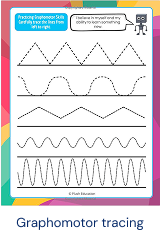
Tracing is a simple starting activity for beginners. Give children individual cursive letters to trace several times.
Start with a few letters rather than the entire alphabet at once.
2. Practice Letters in the Air
Before using a pencil, ask your child to “write” a letter in the air with their finger.
This can help them become familiar with the direction and movement of the letter.
3. Practice in a Sensory Tray
Use a little sand, flour, or another suitable sensory material in a tray. Children can use their finger to practice forming letters.
This turns handwriting practice into a hands-on activity.
4. Connect the Letters
Once children are comfortable with individual letters, introduce simple letter connections.
For example, they can practice combinations such as:
an • in • on • at • it
The focus should be on smooth movement rather than speed.
5. Write Simple Words
After practicing individual letters and connections, move to short words.
Examples include:
cat • dog • sun • mom • dad • red • run
Using familiar words can make practice easier and more meaningful.
6. Copy Short Sentences
When children are ready, let them copy short sentences.
For example:
I can read.
The sun is hot.
I like my book.
Keep sentences short so children can focus on handwriting rather than becoming overwhelmed.
How to Make Cursive Practice Fun
Handwriting practice doesn’t need to feel like a long worksheet session. Try keeping activities short and adding variety.
You can:
• Let children choose which letters to practice
• Use their favorite words
• Practice one letter each day
• Create a handwriting challenge
• Let them decorate completed work
• Use short words and sentences they already understand
• Celebrate improvement rather than perfection
Even a few minutes of consistent practice can be more enjoyable than one long handwriting session.
Cursive Writing Tips for Parents
When helping children learn cursive writing, remember to:
Start slowly: Introduce letters and connections gradually.
Focus on formation: Show children how each letter is formed before asking them to write it repeatedly.
Give them breaks: Young children can lose concentration quickly.
Use positive encouragement: Point out improvements instead of focusing only on mistakes.
Practice regularly: Short, consistent sessions can help children become familiar with handwriting movements.
Cursive Writing and K-1 Learning
Writing is one part of a child’s overall early learning journey. Children are also developing letter recognition, phonics, vocabulary, reading, and comprehension.
A natural learning progression can include:
Alphabet → Letter Sounds → CVC Words → Sight Words → Sentences → Reading & Comprehension → Writing Practice
That’s why handwriting activities can work well alongside reading and phonics activities.
For example, after learning a new word through phonics, children can practice writing that word in cursive.
Cursive Activities for Children
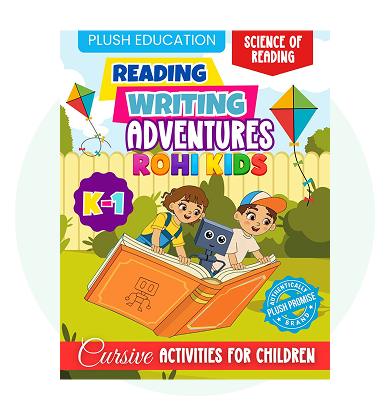
The Rohi K-1 Cursive Activities for Children workbook can provide children with focused handwriting activities designed around letter and writing practice.
Cursive writing is a handwriting style where letters are often connected. Children practice forming letters, connecting them, and eventually writing words and sentences.
How can I teach my child cursive writing?
Start with individual letters, then introduce letter connections, simple words, and short sentences. Keep practice sessions short and consistent.
What are good cursive activities for beginners?
Tracing letters, air writing, sensory-tray writing, letter connections, word practice, and copying short sentences are simple activities for beginners.
How often should kids practice cursive writing?
Regular short practice sessions can be easier for young children than long sessions. Adjust the amount of practice based on your child’s age, attention, and writing ability.
Build Strong Early Writing Skills
Cursive writing practice can be a simple and enjoyable part of early childhood learning. By starting with basic letters and gradually moving toward words and sentences, children can build familiarity with handwriting at their own pace.
Explore the Rohi K-1 learning resources to combine handwriting practice with phonics, reading, sight words, and comprehension activities.