Learning the alphabet is the first step toward reading and writing. Before children can read simple words like cat, dog, sun, or book, they need to recognize letters, understand their sounds, and begin connecting those letters together.
Alphabet learning doesn’t have to feel like memorizing a long list. With the right activities, children can learn through games, pictures, movement, drawing, matching, storytelling, and hands-on practice.
Whether you’re a parent or teacher, simple alphabet games can make letter learning more enjoyable and memorable. The goal is to give children plenty of opportunities to see, hear, say, trace, build, and use letters in different ways.
Learning the Alphabet
The alphabet provides the foundation for reading and writing. As children learn, they gradually understand that letters have names, represent sounds, can be combined into words, and help communicate ideas.
For example, children may first learn that B is called “bee,” then learn the sound /b/, and eventually recognize B when they see it in words. This development takes time and repetition.
Letter Recognition vs. Letter Sounds
Letter recognition means identifying a letter, while letter-sound knowledge connects a letter with the sound it represents. Both skills are closely connected, but they aren’t exactly the same.
Recognizing M means finding it among letters. Knowing /m/ connects M with moon or mom and prepares children to read words.
Alphabet practice should introduce both letters and their sounds. Pictures and objects can make the connection easier for young learners.
10 Practical Alphabet Activities for Kids
Here are simple activities parents and teachers can use to make alphabet learning more interactive. Choose one or two each day and keep practice short.
1. Alphabet Letter Hunt
Choose a letter and find it in books, magazines, signs, or labels.
2. Match Uppercase and Lowercase Letters
Create two sets of cards and ask children to match A with a, B with b, and so on.
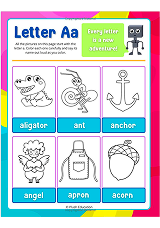
3. Letter and Picture Matching
Match letters with pictures or objects that begin with the corresponding sound.
4. Practice Letters With Magnetic Letters
Use magnetic letters to find letters, name them, say their sounds, and build simple words.
5. Alphabet Sound Game
Choose a letter and ask children to think of words beginning with that sound.
6. Trace and Write Letters
Practice forming letters with fingers, pencils, chalk, whiteboards, or sand trays.
7. Sing the Alphabet
Sing the alphabet together, then ask children to find a specific letter.
8. Build the Alphabet With Objects
Use blocks, craft sticks, pipe cleaners, or magnetic letters to build letter shapes.
9. Find the Missing Letter
Write a sequence like A B _ D E and ask children to identify the missing letter.
10. Alphabet Story Time
Choose a book, pick a letter, and ask children to find it during reading.
Alphabet Activities for Kindergarten
Build a balanced kindergarten routine: recognize uppercase and lowercase letters, name them, say their sounds, find them in words, build, trace, and write them.
This progression helps children see that letters are tools for reading and communication, not just shapes to memorize.
How to Teach Letter Sounds to Young Children
Introduce letter sounds gradually. Focus on a manageable number of letters, practice them regularly, and use familiar words and pictures to make the connection easier.
Connect M → /m/ → moon, S → /s/ → sun, T → /t/ → tree, and P → /p/ → pig. Then blend familiar sounds.
How Parents Can Make Alphabet Practice Fun
Children don’t always want to sit at a table and complete worksheets. That’s okay. Alphabet learning can happen throughout the day during breakfast, walks, playtime, story time, drawing, and car rides.
Use games, songs, books, pictures, movement, crafts, magnetic letters, and everyday objects. Keep activities short and interactive to maintain children’s interest.
Common Challenges When Learning the Alphabet
Every child learns differently. Some may quickly remember letter names but need more practice with sounds. Others may recognize uppercase letters but struggle with lowercase letters, or know individual letters but struggle to connect them with words.
Practice should build confidence rather than create unnecessary pressure. If a child becomes frustrated, try making the activity shorter, changing the format, using pictures, or returning to letters they already know.
When Should Children Learn the Alphabet?
Children master letters at different rates. Offer age-appropriate practice with letter names, sounds, uppercase and lowercase recognition, tracing, writing, and familiar words.
For young learners around the K-1 stage, regular and engaging alphabet practice can provide a useful foundation for developing reading and writing skills.
Make Alphabet Learning an Adventure
Alphabet learning can be much more than memorizing 26 letters. It can be an opportunity to explore sounds, discover new words, practice writing, play games, and build the confidence children need for their next stage of learning.
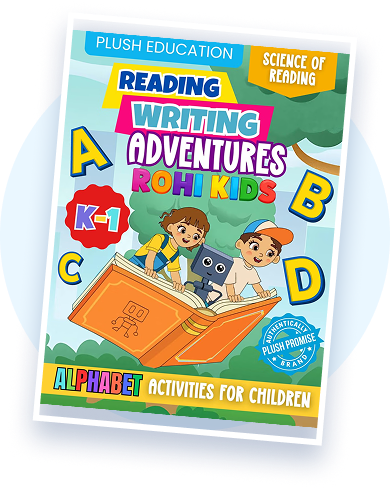
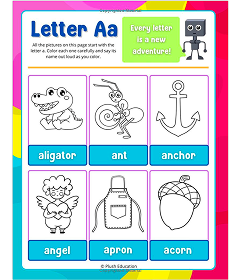
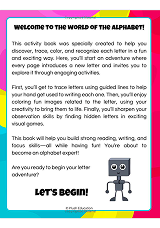
The Rohi Kids Alphabet Activities for Children workbook provides young learners with structured opportunities to practice alphabet skills through engaging activities.
Once children become more comfortable with letters and their sounds, they can begin putting those skills to work. The early reading journey can gradually move from letters to sounds, CVC words, blending, sentences, and comprehension.
For example, after learning individual letters, a child may begin blending sounds to read simple CVC words such as cat, map, sun, and pig. You can continue that journey with the Rohi Kids learning collection.
Continue the K-1 Learning Adventure
CVC Word Activities for Children
Practice simple word patterns and early reading skills.
Frequently Asked Questions About Alphabet Activities
What are good alphabet activities for kids?
Letter hunts, matching games, alphabet songs, picture matching, tracing, magnetic-letter games, and letter-sound activities can all provide engaging alphabet practice.
What are the best alphabet activities for kindergarten?
Kindergarten learners can practice uppercase and lowercase recognition, letter sounds, tracing, writing, picture matching, alphabet order, and simple phonics activities.
How can I teach my child letter sounds?
Start with familiar letters, say the letter name and sound, connect the sound with familiar words, and practice through short games and activities.
How can I make learning the alphabet fun?
Use games, songs, books, pictures, movement, crafts, magnetic letters, and everyday objects. Keeping activities short and interactive can help maintain children’s interest.
Should children learn uppercase and lowercase letters?
Yes. Children will encounter both uppercase and lowercase letters when reading and writing, so providing opportunities to recognize both forms is useful.
What should children learn after the alphabet?
After becoming comfortable with letters and their sounds, children can gradually begin practicing phonics, CVC words, blending, sight words, sentence reading, and comprehension.
Make Learning the Beginning of a New Adventure
Every letter opens a path toward words and stories. Keep practice playful, regular, and encouraging.
Explore the Rohi Kids K-1 Reading & Writing Adventures and discover engaging activities designed to help young learners build their reading and writing skills.